


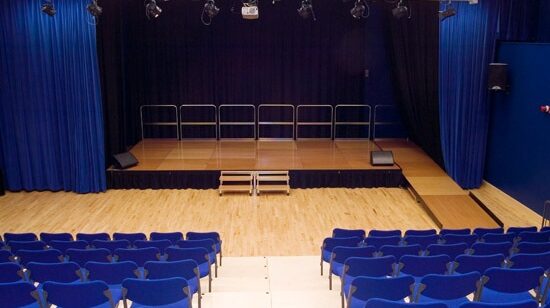
Decorating a stage is essential for creating the right atmosphere at various events. Whether hosting a theatre production, concert, or corporate gathering, the visual appeal of the stage significantly influences the audience’s experience. Here are nine practical ways to decorate a stage.
1. Utilise a Backdrop
The backdrop is one of the most important elements of stage decor, as it establishes the setting and enhances the overall theme. Selecting a backdrop that aligns with the event’s theme is crucial. For a Christmas event, a winter wonderland backdrop with snowflakes can create a festive atmosphere, while a backdrop featuring bright flowers suits an Easter celebration. At Stage Systems, we offer a variety of backdrops, ranging from nativity scenes to space scenes.
2. Lighting Effects
Lighting plays a vital role in stage decoration. Effective lighting can highlight key elements and create a specific mood. Use a combination of spotlights and ambient lighting to draw attention to performers and decorations.
3. Floral Arrangements
Incorporating floral arrangements can add vibrancy and elegance to a stage. Depending on the event, fresh or artificial flowers can be placed around the stage to provide a natural and uplifting atmosphere. Floral arrangements are particularly effective for formal events, concerts, and weddings, where they can enhance the overall decor without being too distracting.
4. Themed Props
Using props related to the event’s theme can enhance the visual appeal of the stage. Props can range from large installations to small, decorative items placed strategically around the stage. They are useful for storytelling in theatre productions, but can also bring variety and interest to concerts, conferences, or other performances. The key is to ensure the props are relevant to the event and do not obstruct the performance space.
5. Drapery and Fabrics
Drapery is a simple yet effective way to elevate the look of the stage. You can use layered fabrics to create different textures and levels of depth, adding elegance to formal events or creating a dynamic atmosphere for performances. The colour and style of the fabric should match the event’s overall theme, and it’s important to ensure that drapery doesn’t interfere with lighting or block the audience’s view.
6. Signage and Banners
Custom signs or banners are a great way to personalise the stage and communicate important information. They can display the event name, sponsors, or key messages. Well-designed signage can also enhance the theme of the event without being intrusive. It’s essential to place them in areas visible to the audience that don’t detract from the main performance area.
7. Seasonal Decor
Adapting decorations to reflect the seasons adds a thoughtful touch. In autumn, use leaves, pumpkins, and warm colours for Halloween. For Easter, bunny motifs and floral designs evoke a springtime feel. For Christmas, decorations like fairy lights and wreaths enhance the festive spirit.
8. Stage Flooring
Stage flooring can be customised to match the theme of the event. For temporary events, consider using specialised coverings that can be easily applied and removed, such as vinyl or carpet runners. These coverings can be used to create a specific look, like a grassy field or a polished marble surface, depending on the event’s theme. This small detail can make the stage more cohesive and visually appealing.
9. Technology Integration
Incorporating technology can modernise the look of the event. Using video screens or projectors to display themed visuals enhances storytelling and engages the audience. Ensure all technical equipment is set up and tested prior to the event.
By considering these key elements, you can create a well-decorated stage that suits the needs of your event and enhances the experience for all involved. From selecting the perfect backdrop to integrating technology, each aspect contributes to the overall success of your stage design.